


RESTORASYON REHBERI
What is ahar paper? How is it made and where is it used?
Ahar paper is paper coated with ahar, a sizing made from ingredients such as starch, egg white and alum, and burnished with a mühre; in calligraphy, illumination and miniature painting it keeps ink on the surface without bleeding.
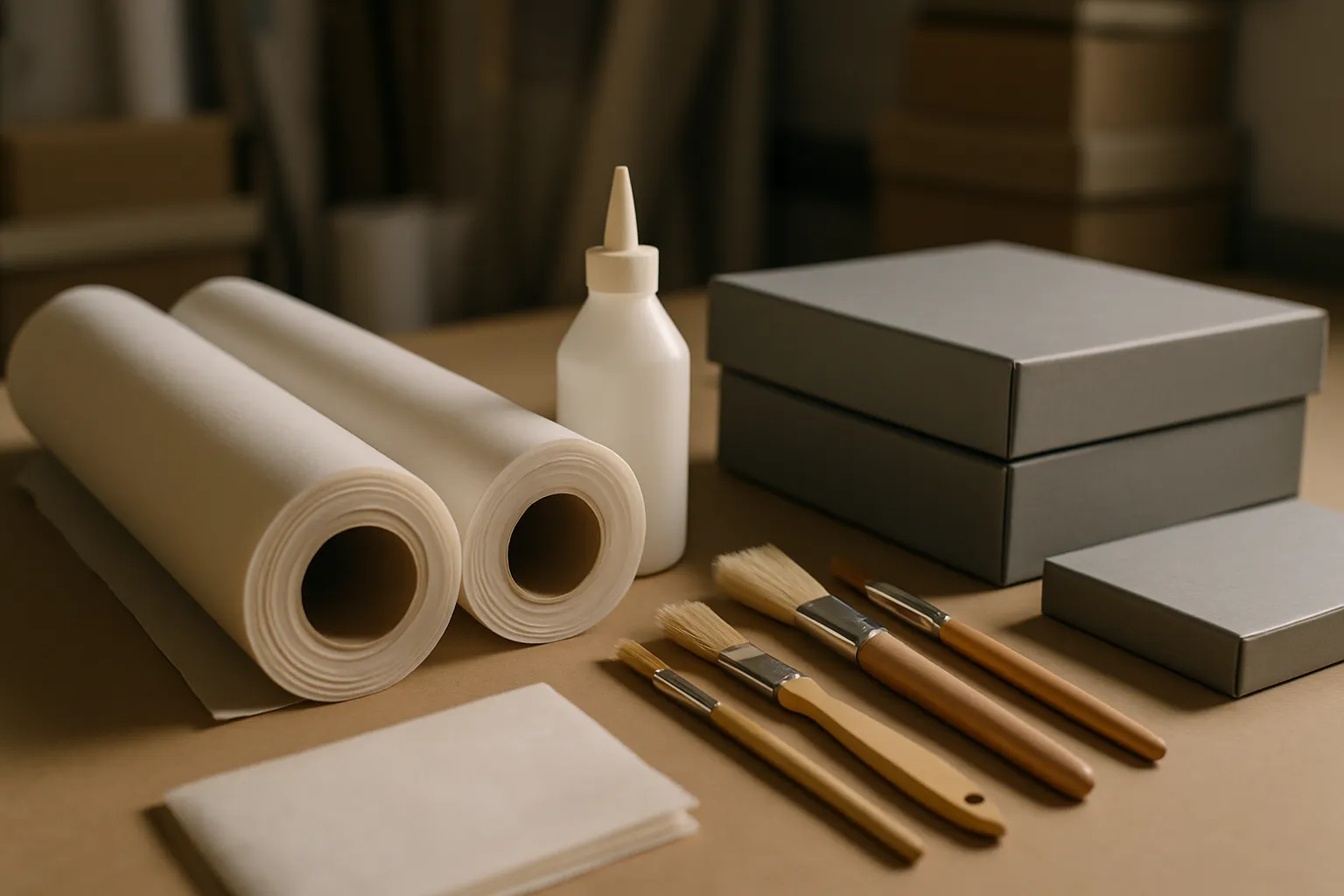
Ahar paper ("aharlı kâğıt") is paper whose surface has been coated with a sizing called "ahar" and polished with a "mühre", a smooth burnishing tool. Ahar seals the pores of the paper, so the ink is not absorbed and does not bleed; it stays on the surface, crisp and glossy. That is why ahar paper is the basic material of traditional book arts such as calligraphy (hat), illumination (tezhip) and miniature painting.
What does ahar do?
Paper without ahar soaks up ink like blotting paper, and the edges of the letters bleed. On a surface coated with ahar, the ink sits on top of the paper. This has three practical results:
- The pen nib glides over the paper without catching, and letter edges come out sharp.
- Because the ink stays on the surface, a mistaken letter can be corrected by carefully scraping it off together with the ahar.
- Gilding and pigments look more vivid, and the surface takes on a slight sheen.
How is ahar prepared?
Traditional ahar is prepared from ingredients such as starch, egg white and alum, used in different proportions. Starch ahar gives a more matte surface, egg ahar a glossier one. The ahar is brushed onto the paper in one or more coats and the paper is left to dry. If desired, the paper is first coloured with plant dyes; light cream and ivory tones are the colours calligraphers choose most often, because they are easy on the eyes.
What is a mühre, and why is paper burnished?
A mühre is a tool made of smooth stone or glass, used to polish the surface of paper coated with ahar. The dried ahar is compacted by patiently rubbing it with the mühre, which leaves the surface smooth as glass with a slight sheen. In traditional practice, ahar paper is left to rest for a while before it is used; paper that has rested has a more even surface.
Where is ahar paper used?
- Calligraphy (hat): for works written with a reed pen and soot ink.
- Illumination (tezhip): for ornamentation in which gold leaf and pigments need a smooth surface.
- Miniature painting: for pictures that call for fine brushwork.
- Training: for meşk, the traditional copying exercises of calligraphy students; paper with ahar on both sides lets students use both faces.
What is the difference between ahar paper and paper without ahar?
Paper without ahar has an uncoated surface and absorbs water and ink. It is the choice for watercolour, ebru (Turkish paper marbling) or any work that needs absorbency. Ahar paper, on the other hand, holds the ink on the surface and allows corrections by scraping. In short: choose ahar paper for writing and illumination, and paper without ahar for techniques that need absorbency.
How should ahar paper be stored?
Ahar is sensitive to moisture. Keep ahar papers, and works made on them, flat in a dry place away from direct sunlight, ideally in acid-free envelopes or boxes. Ahar that contains alum can increase the acidity of the paper over time, so rather than trying to renew the ahar or treat the surface of a historical work, consult a paper conservator. For conservation and repair needs, see our conservation and restoration service.
Where can I buy ready-made ahar paper?
You can find burnished ahar papers and papers without ahar in our shop: burnished ahar paper 60×80, double-sided burnished ahar paper 60×80 and papers without ahar. For other materials used in paper restoration, browse our restoration materials page.
Related posts
What is methyl cellulose? Its use in paper restoration and how to prepare it
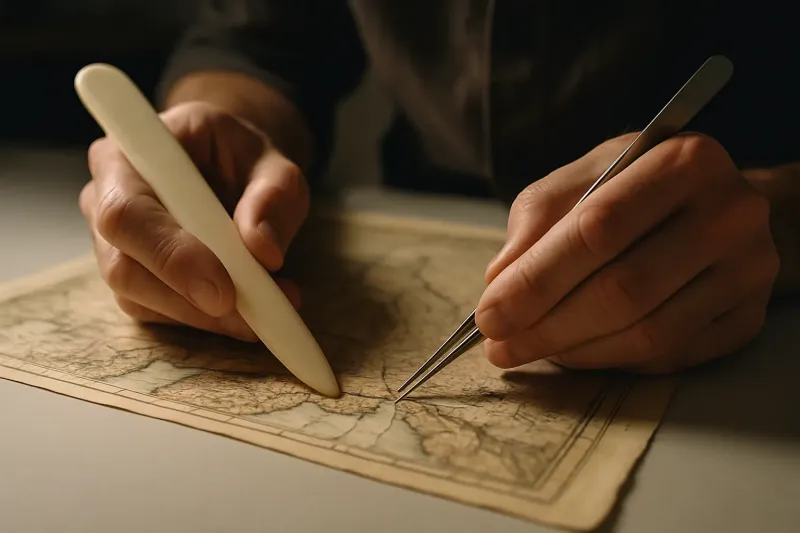
Methyl cellulose is a water-soluble cellulose ether derived from cellulose; in paper and book restoration it is used as a reversible adhe…
What is Japanese tissue paper? Its use in paper restoration and choosing the right weight
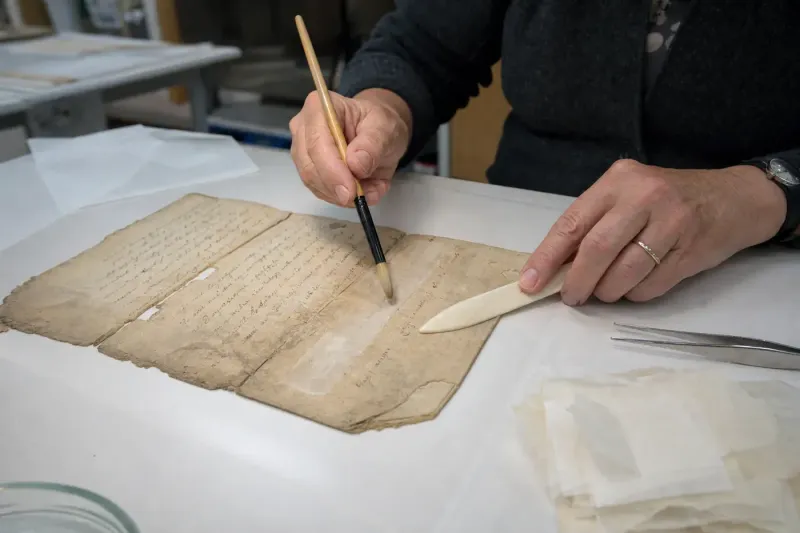
Japanese tissue paper (washi) is a thin but very strong paper made from the long fibres of the kozo, mitsumata or gampi plants; in paper …